Picking out the right Lithium Battery Charger can actually feel pretty overwhelming, right? With so many options out there, how do you really know which one is perfect for your needs? John Smith from ChargeTech, who knows his stuff, points out, "Choosing the right charger is super important if you want your batteries to last longer."
Honestly, it’s key to understand what your specific lithium battery needs. Not all chargers are created equal, and mixing them up can actually hurt performance. Like, some might not support fast charging, or other fancy features that make everything safer and more efficient.
Plus, don’t forget to think about build quality and brand reputation. A cheap charger might seem like a good deal upfront, but it could cause headaches—and costly problems—down the line. So, it’s always a good idea to check out reviews and see what experts recommend. And hey, sometimes, just taking a step back and figuring out what you actually need versus what you want can make a huge difference. At the end of the day, making a thoughtful choice can really give your battery a boost in both life and performance.
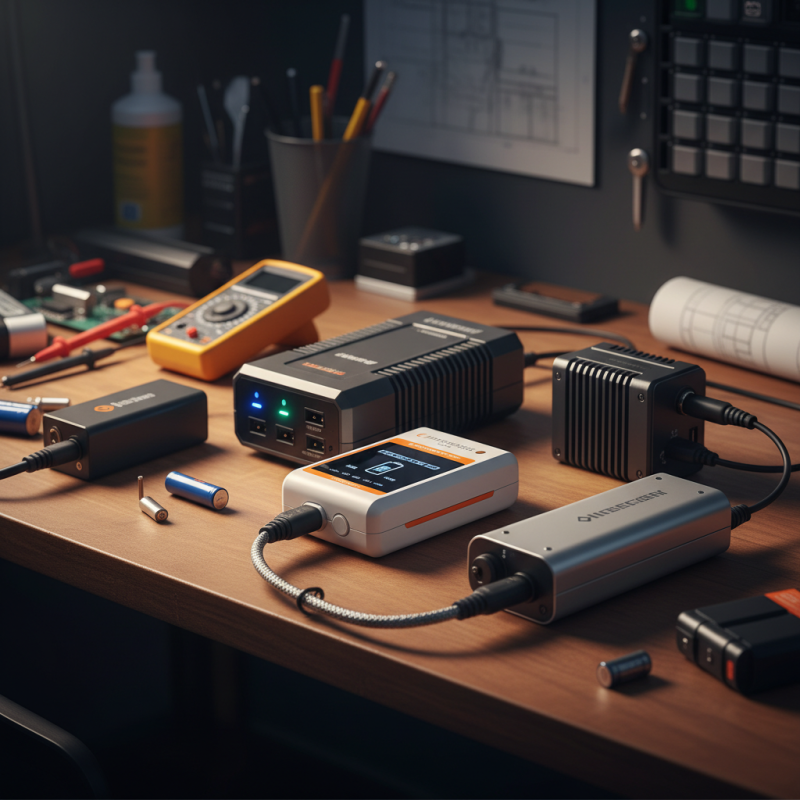
Types of Lithium Battery Chargers Available in the Market
When selecting the right Lithium Battery Charger, understanding the types available is crucial. Key varieties include standard chargers, smart chargers, and High Voltage Lithium Battery Chargers. Each type serves different needs, impacting performance and longevity of lithium batteries.
Standard chargers, often the most basic, operate without automation or feedback. They can be efficient but may lead to overcharging, compromising battery life.
Smart chargers, however, adjust their output based on the battery’s condition, enhancing safety and extending lifespan. According to recent industry reports, smart chargers can increase battery efficiency by up to 30%.
High Voltage Lithium Battery Chargers cater to specialized needs. They are designed for batteries used in electric vehicles and high-capacity applications. These chargers operate at higher input voltages, allowing for faster charging times. However, the risk of overheating and improper use must be considered. Reports indicate that improper charging practices can lead to a significant decrease in battery performance over time.
Evaluating the right charger for specific applications is vital for optimal battery care.
Factors to Consider When Choosing a Lithium Battery Charger
Choosing the right lithium battery charger can be challenging. There are many options available. It’s crucial to consider several important factors. One key aspect is the charger's compatibility. Not all chargers work with every lithium battery. Check the voltage and capacity specifications carefully.
When evaluating a charger, look at its charging speed. Faster chargers can save time. However, they might generate more heat, which could affect battery life. Heat is a real concern. Too much can damage your battery over time. It’s wise to balance speed and battery health.
Tips: Always read user reviews. They often highlight real-life experiences. Seek feedback on charging efficiency and reliability. Another point to consider: portability. If you travel often, a compact AC/DC lithium battery charger might be ideal. Think about your typical usage; that can guide your choice. Don't overlook safety features, like overcharge protection.
Ignoring these could lead to frustrating mishaps. Choose wisely to ensure longevity for your batteries.
Understanding Charger Compatibility with Different Battery Types
Choosing the right lithium battery charger can be tricky. It's essential to ensure compatibility with the specific battery type you own. Different lithium batteries have various charging requirements. Some may need a constant voltage, while others require a specific charging current. Understanding these needs is crucial.
When selecting a charger, check the voltage and capacity ratings. This information ensures the charger can handle your battery without overloading it. Mismatched chargers may lead to degraded performance or, worse, battery failure. Sometimes, users overlook the importance of these specs. A quick scan of the battery label can prevent potential headaches down the line.
Don't forget about the connector type. Not all chargers fit every battery model, even if they share similar specs. Investing in a multi-connector charger might seem convenient, but it can be a gamble. Check reviews or user experiences to understand any pitfalls. After all, a charger that works well for one person may not suit another. Consider your unique situation and battery preferences as you make your choice.
Assessing Charging Speed and Efficiency for Your Needs
When choosing a lithium battery charger, you must assess charging speed and efficiency. A fast charger may seem ideal, but it can harm battery lifespan. Sometimes, a slower charger is better for longevity. Consider your daily use. If you frequently rely on an Off Grid Lithium Battery System, optimal charging is critical.
Tips: Look for chargers that balance speed and battery health. Check the specifications. You want a charger that matches your battery's needs, not one that just looks powerful. Charging efficiency also matters. A charger that wastes energy is not ideal, especially for off-grid systems.
Remember, not all chargers are created equal. Some perform well, while others may disappoint. It's important to read user reviews. Learn from others' experiences. You might find that a cheaper option serves your needs just as well. Don't rush; doing thorough research can save you from future regrets.
Safety Features to Look for in a Lithium Battery Charger
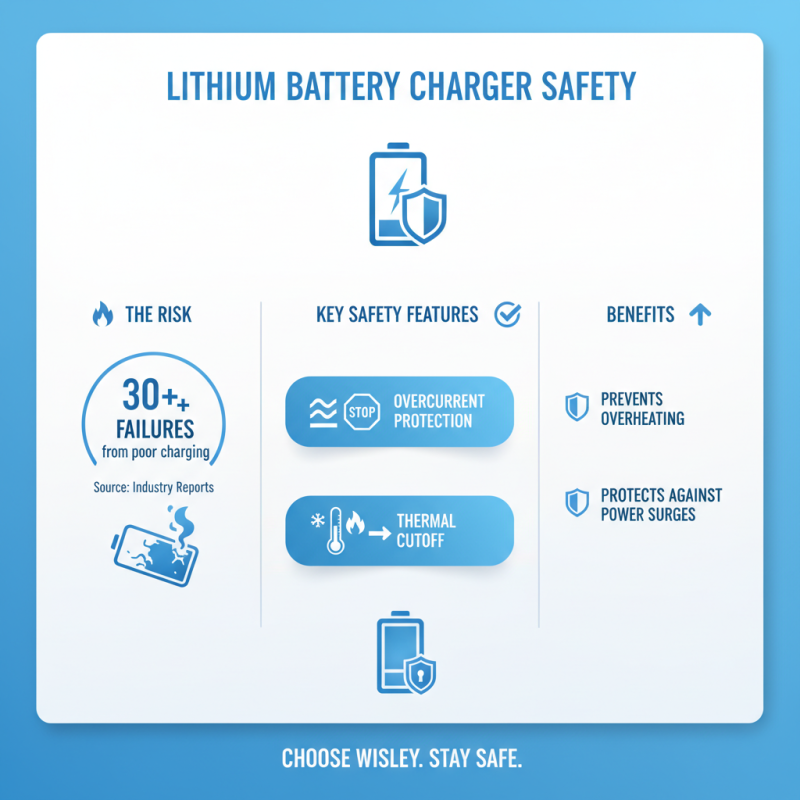
When selecting a lithium battery charger, safety features are paramount. According to industry reports, over 30% of lithium battery failures stem from inadequate charging systems. A charger with overcurrent protection and thermal cutoff is crucial. These features help prevent overheating and unexpected surges that could damage your battery.
Look for chargers with built-in protection against short circuits. This is vital; manufacturers report that short circuits can lead to fires in severe cases. A quality charger will also include voltage regulation. This ensures your lithium battery gets the correct voltage, maintaining its lifespan. Safety must not be an afterthought.
Additionally, consider whether the charger complies with safety standards. Devices like a Solar Lithium Battery Controller often emphasize certified features. Check for certifications like UL or CE; these ensure rigorous testing. Ultimately, your choice affects both efficiency and safety. Keep these details in mind to make the right decision.
Budget Considerations: How Much Should You Spend?
When choosing a lithium battery charger, budget plays a crucial role. Prices can vary widely. You'll find options ranging from modest to premium. A good charger doesn't have to break the bank, yet spending too little may lead to poor performance. Look for a balance.
Consider what you need. A basic charger might be priced lower, but it may lack advanced features. Features like fast charging or protective circuits can add to the cost. Think about how often you'll use it. If you're a frequent user, investing more might be wise.
Reflecting on your budget is necessary. Spending too much may lead to regret. On the other hand, saving excessively could mean missing out on quality. Aim for a charger that meets most of your needs. Always read reviews and check user experiences before purchasing. This careful approach can help avoid disappointment later on.
User Reviews and Recommendations for Lithium Battery Chargers
When selecting a lithium battery charger, user reviews can provide valuable insights. Many users prioritize fast charging capabilities. Reports indicate that a charger with a 2A output can reduce charging time significantly. Some users claim their devices charged up to 50% faster. It’s important to note that not all chargers deliver on their promises. A few users reported overheating issues. This might lead to battery damage over time.
Reliability is another key factor. User feedback shows that longevity is essential. Chargers that come with safety features like overcharge protection are favored. A survey from a battery industry report revealed that around 70% of users prefer chargers with built-in safety alerts. However, some inexpensive models lack these important features. Users have expressed concerns about the quality of cheaper options. Testing and comparisons can be quite revealing. Users commonly shared anecdotes of their experiences, often urging caution in this area.
Lastly, compatibility is crucial. Many users recommend checking device specifications before purchasing. Incompatible chargers can lead to poor performance or even battery damage. Several reviewers have mentioned regrets over not doing this initial research. They encountered issues that impacted their overall satisfaction. Thus, thorough research based on user feedback could save future headaches.
Battery Charger Comparison: Charging Speed vs. Capacity
The Ultimate Guide to Constant Current Constant Power Rapid Chargers: Features, Benefits, and Best Practices
The Ultimate Guide to Constant Current Constant Power Rapid Chargers: Features, Benefits, and Best Practices
Constant Current Constant Power (CCCP) rapid chargers represent a cutting-edge solution in the world of battery charging technology. Designed to accommodate a wide input range of 260-530VAC and a remarkable output of 50-1000VDC, these chargers provide a versatile and efficient approach to powering various applications. Their adaptability makes them suitable for different environments, from industrial settings to electric vehicle charging stations, catering to the evolving demands for rapid and reliable energy solutions.
One of the significant benefits of CCCP rapid chargers is their ability to manage power delivery intelligently. By maintaining a constant current during the initial charging phase and transitioning to constant power as the battery reaches capacity, they optimize the charging process. This dynamic method not only enhances battery life but also minimizes the risk of overheating, ensuring a safer charging experience. Additionally, these chargers often come equipped with advanced features such as real-time monitoring, temperature management, and fault detection, providing users with peace of mind and improving operational efficiency.
Implementing best practices with CCCP rapid chargers can further amplify their effectiveness. Regular maintenance, proper installation, and adherence to safety protocols are key components that can enhance performance and prolong the lifespan of the charger. Moreover, understanding the specific charging needs of various battery types can aid in maximizing the benefits of constant current constant power technology. By staying informed and following these practices, users can take full advantage of this innovative charging solution.
FAQS
: The service aims to provide users with resources and solutions for daily challenges.
Individuals from various backgrounds, including students and professionals, can find useful information here.
You can access the service online through a user-friendly interface.
The basic features are free, but some advanced tools may require a fee.
Users must be at least 18 years old to fully utilize all features of the service.
Yes, user feedback is encouraged to improve the service further.
If information doesn’t meet your needs, you’re welcome to ask for alternatives.
While we strive for accuracy, some information may become outdated. Please verify crucial details.
User privacy is important, and steps are taken to protect personal information.
If you encounter technical issues, please reach out for support promptly.
Conclusion
When selecting the best Lithium Battery Charger for your needs, it’s important to understand the different types available in the market, including smart chargers, standard chargers, and fast chargers. Factors such as compatibility with specific battery types, the speed and efficiency of charging, safety features, and budget constraints play a crucial role in making the right choice.
Additionally, assessing safety features like overcharge protection and temperature control is vital to ensure the longevity of your batteries. It's also wise to consider user reviews and recommendations, as they can provide valuable insights into the performance and reliability of various Lithium Battery Chargers. By taking these aspects into account, you can confidently choose a charger that meets your specific needs and budget.