Leave Your Message
0%

You know, in today’s push for greener, more sustainable energy options, the Off Grid Inverter is really coming into its own. It’s a game-changer for folks and communities who want to rely on renewable energy sources without constantly being tied to the usual electrical grid. I was chatting with Dr. Emily Carter from Sustainable Power Solutions—she’s pretty much an expert in renewable tech—and she pointed out how important these inverters are. She said, 'These devices are key to really taking control of your energy, letting you generate, store, and use power in a way that's better for the planet.'
What is an Off Grid Inverter and How Does it Work for Sustainable Energy

What is an Off Grid Inverter?

What is an Off Grid Inverter and How Does it Work for Sustainable Energy

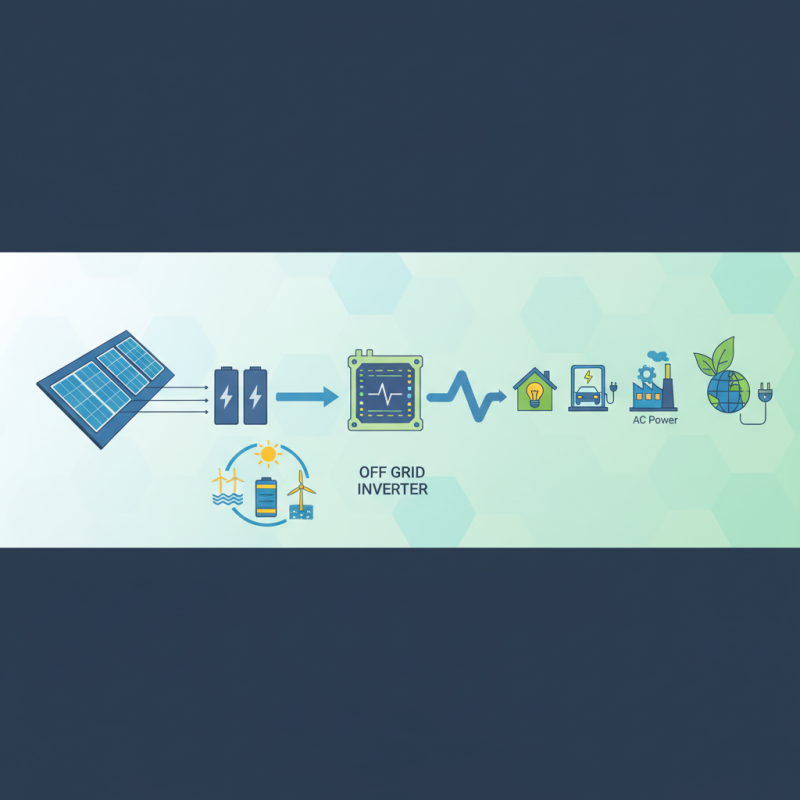
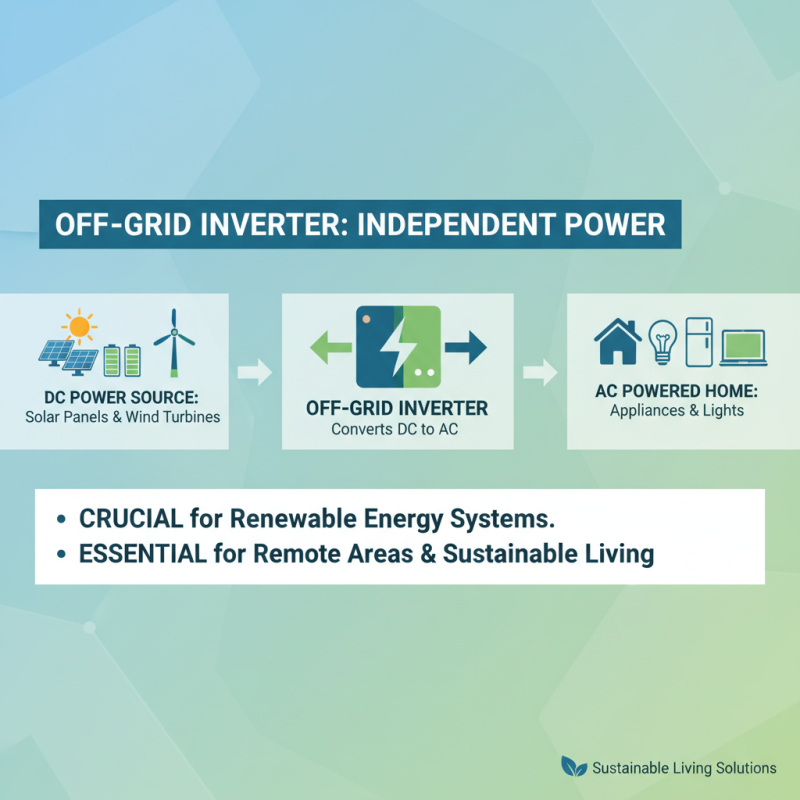
An off-grid inverter is a crucial component in renewable energy systems, particularly for those looking to power their homes independently from traditional utility grids. An off-grid inverter converts direct current (DC) electricity, typically generated by solar panels or wind turbines, into alternating current (AC) electricity, which can be used to power household appliances. This type of inverter is designed to function in isolated systems where grid connection is not available, making it essential for remote areas and sustainable living setups.

According to a report by the International Renewable Energy Agency (IRENA), the global off-grid renewable energy market has grown significantly, with an estimated capacity increase of 1.3 gigawatts in 2019 alone. The increasing affordability of solar technologies and off-grid inverters has made them appealing for residential use. These systems not only provide energy independence but also contribute to reducing carbon footprints, aligning with global sustainability goals. The functionality of an off-grid inverter is enhanced by incorporating battery storage systems, enabling energy management for periods of low generation and ensuring a reliable energy supply at all times. As the push for sustainable energy solutions continues, off-grid inverters play an increasingly vital role in facilitating energy resilience and autonomy.

The Role of Off Grid Inverters in Sustainable Energy Systems

Off-grid inverters play a crucial role in the development of sustainable energy systems by enabling the integration and management of renewable energy sources, such as solar and wind, with battery storage. According to the International Renewable Energy Agency (IRENA), the global off-grid renewable energy market is expected to reach $500 billion by 2030, highlighting the growing significance of off-grid technologies in meeting energy needs in remote or underserved areas.

These inverters convert direct current (DC) produced by renewable energy systems into alternating current (AC) suitable for home and business use. This transformation is essential for the efficient utilization of energy stored in batteries, especially in locations where grid access is limited. A report from the U.S. Department of Energy indicates that off-grid inverter technology can enhance energy independence by reducing reliance on fossil fuels, thus decreasing greenhouse gas emissions by nearly 20% for households that switch to off-grid systems.

Moreover, off-grid inverters facilitate energy management by monitoring power generation and consumption, maximizing efficiency, and reducing wastage. The rise of smart inverter technology is also contributing to the robustness of off-grid systems; these intelligent devices allow for real-time monitoring and optimization, further supporting sustainable practices. With the increasing emphasis on sustainability, off-grid inverters stand out as vital components in fostering energy resilience and advancing the global transition to renewable energy.

Key Components of an Off Grid Inverter

An off-grid inverter is a critical component in a system designed to operate independently from the traditional power grid, converting direct current (DC) generated from renewable sources such as solar panels into alternating current (AC) usable by household appliances. Understanding its key components is essential for maintaining a sustainable energy system.

The primary components of an off-grid inverter include the inverter itself, a battery management system, and the energy storage system. The inverter's main functionality is to convert DC to AC, providing power for regular home use. Data from the International Renewable Energy Agency (IRENA) indicates that battery energy storage is crucial for optimizing the efficiency of off-grid systems, with the potential to reduce overall energy costs by more than 20% when implemented effectively.

Additionally, the battery management system plays a vital role in regulating the charge and discharge cycles of the batteries, which ensures longevity and optimal performance. This is particularly important as the global shift towards renewable energy sources continues to grow; a report by the Global Energy Storage Alliance suggests that the off-grid battery storage market could expand significantly, driven by increasing demand for reliable, clean energy. By focusing on these key components, off-grid inverters can significantly contribute to a sustainable energy future.

How Off Grid Inverters Convert DC to AC Power

Off-grid inverters play a crucial role in the conversion of DC power generated by renewable sources—such as solar panels and wind turbines—into AC power, which is used to operate standard household appliances. Unlike grid-tied systems that directly feed electricity into the national grid, off-grid systems require inverters to make self-generated energy usable. According to the International Renewable Energy Agency (IRENA), the global installed capacity of off-grid renewable energy systems grew significantly, surpassing 3.5 million installations worldwide as of 2021. This highlights the rising need for efficient off-grid energy solutions to support sustainable living.

When sunlight or wind energy is captured, it is typically in the form of direct current (DC). Off-grid inverters then take this DC power and convert it to alternating current (AC), which is the standard electrical current required by most home appliances. This conversion process involves several stages, including voltage regulation and synchronization. Expert reports from the U.S. Department of Energy indicate that modern off-grid inverters can achieve conversion efficiencies above 90%, optimizing energy usage and ensuring minimal losses during the conversion. By storing excess energy in batteries and converting it as needed, off-grid inverters not only enable independence from the traditional power grid but also promote a more sustainable lifestyle.

Benefits of Using Off Grid Inverters for Energy Independence

Off grid inverters play a pivotal role in enabling energy independence, especially for those looking to break free from traditional utility energy sources. These devices convert the direct current (DC) generated by renewable energy sources, like solar panels or wind turbines, into alternating current (AC) that can be used to power homes, appliances, and other electrical systems. By utilizing off grid inverters, individuals can harness the power of nature to meet their energy needs, thereby not only reducing their reliance on fossil fuels but also promoting a sustainable lifestyle.


One of the significant benefits of off grid inverters is their ability to provide energy security, particularly in remote areas where grid access may be limited or non-existent. By generating and managing their own power supply, users can ensure a continuous energy flow regardless of external factors, such as utility outages or fluctuations in energy prices. This self-sufficiency promotes a sense of autonomy and resilience, allowing homeowners and businesses to thrive in environments where conventional energy solutions may falter. Additionally, investing in off grid systems can lead to long-term financial savings, as the initial setup costs can be outweighed by reduced utility bills and potential government incentives for renewable energy usage.

Challenges and Considerations for Off Grid Inverter Use

When considering the use of an off-grid inverter, several challenges and considerations must be addressed. One significant issue is the initial investment required for the inverter and associated equipment, such as battery storage systems and solar panels. While off-grid systems can lead to long-term savings, the upfront costs can be a barrier for many individuals or communities looking to transition to sustainable energy solutions. Furthermore, potential users should be aware of the varying efficiencies of different inverter types, as this can affect the overall performance of the energy system.

Another critical consideration is the maintenance and technical expertise required to operate an off-grid inverter effectively. Unlike grid-tied systems that often come with support from utility providers, off-grid solutions require users to have a certain level of knowledge about the technology. This includes understanding how to troubleshoot issues, perform regular maintenance, and monitor energy usage to ensure optimal functionality. Additionally, users must assess their specific energy needs and environmental conditions, as these factors can influence the size and type of inverter best suited for their application. Balancing these challenges with the benefits of autonomy from the traditional power grid is essential for a successful transition to an off-grid lifestyle.

What is an Off Grid Inverter and How Does it Work for Sustainable Energy - Challenges and Considerations for Off Grid Inverter Use

Feature Description Challenges Considerations
Power Conversion Converts DC electricity from solar panels to AC electricity for household use. Potential inefficiencies in conversion process. Select inverters with high conversion efficiency.
Battery Compatibility Must match the inverter's voltage and capacity specifications. Incompatibility may cause performance issues or damage. Ensure compatibility before purchase.
Grid Independence Operates without connection to the main electricity grid. May require larger battery storage for low-supply periods. Plan for increased storage capacity during design.
Cost Higher initial investment compared to grid-tied systems. Upfront costs can be prohibitive for some users. Consider long-term savings on electricity bills.
Maintenance Regular checks on the inverter and battery health are required. Neglect can lead to system failures. Schedule routine maintenance for longevity.

Comparing Off Grid Inverters with On Grid Systems

When evaluating the differences between off-grid inverters and on-grid systems, it's important to consider their operational frameworks and the contexts in which they are utilized. Off-grid inverters are essential for systems that are not connected to the main grid, enabling users to generate, store, and use their energy independently. These inverters convert the direct current (DC) generated from renewable sources, such as solar panels, into alternating current (AC) suitable for household appliances. According to the International Renewable Energy Agency (IRENA), off-grid solar installations have seen an annual growth rate of over 20% in recent years, highlighting the increasing reliance on self-sufficient energy solutions, especially in remote areas where grid access is limited.

In contrast, on-grid systems, which connect to the main electrical grid, primarily benefit from the ability to sell excess electricity back to utility companies. While these systems typically require no storage capabilities, they can be less reliable in areas prone to outages, as they depend on grid stability. The U.S. Energy Information Administration (EIA) reported that around 81% of all installed solar capacity in the U.S. is grid-tied, showcasing a significant preference for this configuration. However, the lack of energy independence can be a disadvantage for consumers who seek greater resilience against power interruptions. Ultimately, the choice between off-grid and on-grid systems hinges on individual needs for autonomy, reliability, and accessibility to energy sources.

Comparison of Off Grid Inverters and On Grid Systems

This chart illustrates a comparison between Off Grid Inverters and On Grid Systems across several key metrics, including efficiency, cost, maintenance, and lifespan. Off Grid Inverters tend to have lower efficiency and higher maintenance costs but offer independence from the grid, while On Grid Systems exhibit better efficiency and lower costs, benefiting from grid connectivity.

FAQS

: What is the main function of off-grid inverters?

: Off-grid inverters convert direct current (DC) from renewable energy sources into alternating current (AC) suitable for household and business use, enabling efficient energy utilization, especially in areas without grid access.

How do off-grid inverters contribute to sustainability?

Off-grid inverters enhance energy independence, reduce reliance on fossil fuels, and can decrease greenhouse gas emissions by nearly 20% for households making the switch, thus supporting sustainable energy practices.

What are the key components of an off-grid inverter system?

Key components include the inverter itself, a battery management system, and an energy storage system, all of which work together to optimize energy efficiency and performance.

How does battery energy storage relate to off-grid inverters?

Battery energy storage is crucial for maximizing the efficiency of off-grid systems and can potentially reduce overall energy costs by more than 20% when managed effectively.

What challenges do users face when adopting off-grid inverter systems?

Challenges include the high initial investment costs, maintenance requirements, and the need for technical expertise to operate and troubleshoot the systems effectively.

What should users consider when choosing an off-grid inverter?

Users should assess their specific energy needs, environmental conditions, and potential efficiencies of different inverter types to determine the most suitable option for their circumstances.

How does smart inverter technology enhance off-grid systems?

Smart inverter technology allows for real-time monitoring and optimization of energy generation and consumption, contributing to increased system efficiency and sustainability.

What is the expected growth of the off-grid renewable energy market?

The global off-grid renewable energy market is projected to reach $500 billion by 2030, indicating a significant rise in the adoption of off-grid technologies.

Why is the knowledge of operating off-grid systems essential?

Users must have knowledge about troubleshooting issues, performing maintenance, and monitoring energy usage, which is essential for the effective and sustainable use of off-grid inverter systems.

What impact do off-grid inverters have on energy resilience?

Off-grid inverters are vital components in fostering energy resilience, supporting the transition to renewable energy, and reducing dependency on traditional power grid systems.

Conclusion

An Off Grid Inverter is an essential component of sustainable energy systems, enabling the conversion of direct current (DC) electricity generated from renewable sources into alternating current (AC) power suitable for household use. These inverters play a pivotal role in off-grid setups by ensuring energy independence, allowing users to harness and utilize solar or wind power without relying on traditional utility grids. The key components of an Off Grid Inverter include batteries, charge controllers, and the inverter itself, which work together to store energy and convert it for everyday applications.

While Off Grid Inverters provide numerous benefits, such as resilience during power outages and reduced reliance on fossil fuels, there are challenges to consider, including the initial investment and the need for adequate maintenance. Furthermore, comparing Off Grid Inverters with on-grid systems reveals significant differences in functionality and suitability, highlighting the importance of selecting the right solution based on individual energy needs and circumstances. Overall, Off Grid Inverters are vital for those seeking a sustainable and independent energy future.
Amelia

Amelia

Amelia is a dedicated marketing professional with over a decade of experience in the field of energy storage solutions. She is deeply knowledgeable about the company’s core offerings, which include cutting-edge lithium battery storage systems, bi-directional energy storage power supplies, pure sine......
Previous Maximizing Value: Understanding After-Sales Support and Maintenance Costs for the Best Solar Charger Inverter